Top 5 Optical Fiber Manufacturers in the United States (2026 Guide)
The U.S. optical fiber market is in the middle of one of the largest infrastructure expansions in its history. Three forces are pushing demand simultaneously: nationwide 5G densification, the federal BEAD broadband program (US$42.45 billion allocated by the NTIA), and the build-out of AI-grade hyperscale data centers. Industry forecasts from Mordor Intelligence place the U.S. optical fiber market at roughly US$4.5B by 2026, growing at a high single-digit CAGR through 2031.
For network architects and procurement teams, the question is rarely "is fiber a good investment" — it is "which manufacturer best matches this specific project?" This guide walks through the five U.S. manufacturers most often shortlisted for telecom, FTTH and data center deployments, and explains where each one fits.
Quick comparison
Vendor | HQ | Core strength | Best fit |
|---|---|---|---|
Corning | Corning, NY | Ultra-low-loss fiber, hollow-core, CPO | Long-haul, 400G/800G, AI data centers |
CommScope | Hickory, NC | End-to-end FTTH & DC connectivity | FTTH operators, enterprise campuses |
Prysmian (NA) | Highland Heights, KY | Submarine cable, HV power + fiber | Carriers, hyperscale, utility-grade builds |
OFS (Furukawa) | Norcross, GA | Specialty & PM fiber, harsh-environment | Aerospace, defense, medical, sensing |
AFL | Duncan, SC | Utility connectivity + field services | Grid modernization, OSP, rural broadband |
1. Corning — the technology benchmark

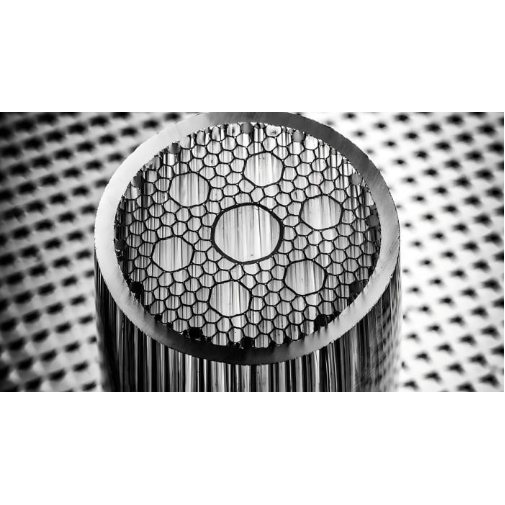
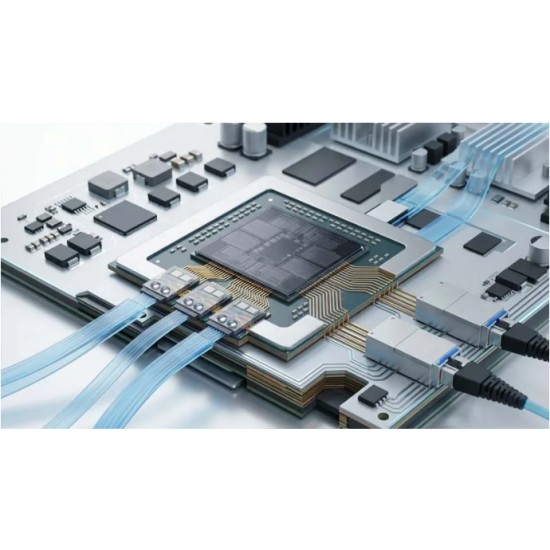
Corning invented the first commercially viable low-loss optical fiber in 1970 and has remained the global volume leader ever since, with roughly a 19% worldwide market share. In 2026 its strategic focus is on the AI-driven optical layer: hollow-core fiber (manufactured at its Hickory, NC plant in partnership with Microsoft Azure), and co-packaged optics (CPO) glass substrates that bring optical I/O directly into the chip package.
Flagship products such as Vascade EX2000 reach attenuation as low as 0.149 dB/km @ 1550 nm, close to the theoretical limit for silica fiber. For 400G/800G long-haul, subsea landings, or AI fabric design, Corning is usually the technical reference point.
Choose Corning when ultimate reach, lowest attenuation or AI-grade optical interconnect is the deciding factor.
2. CommScope — turnkey FTTH & data center connectivity
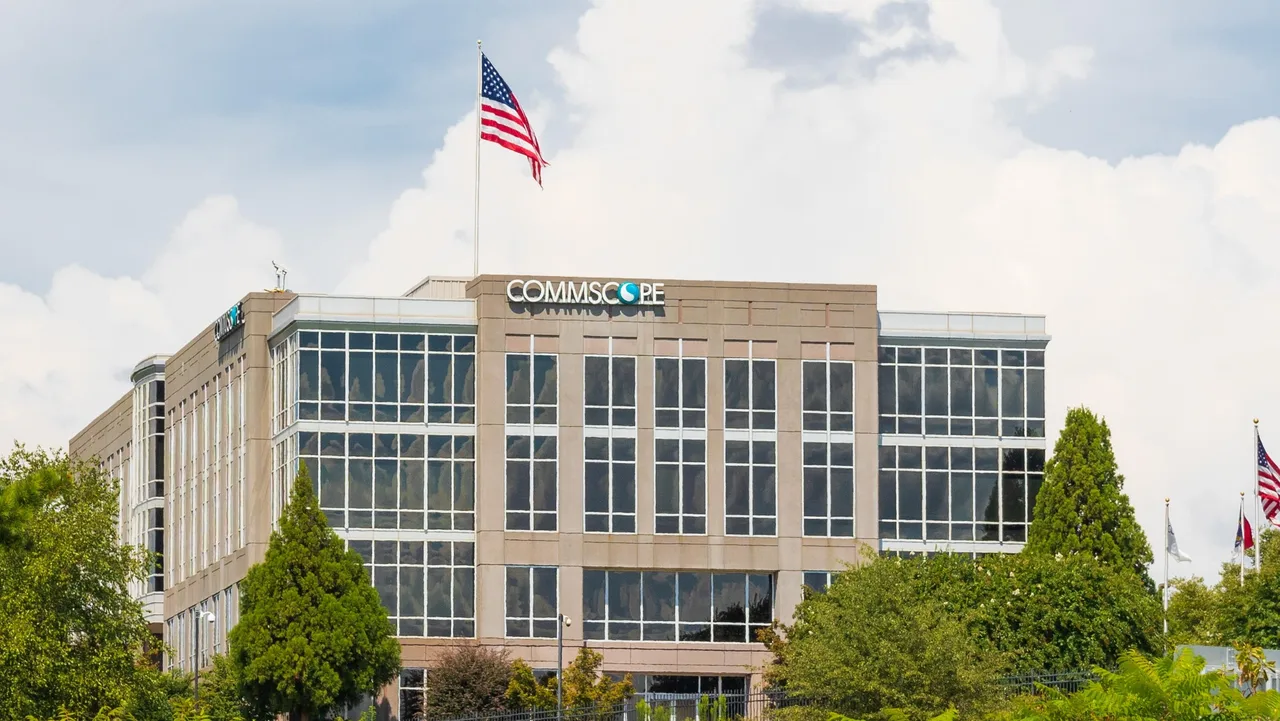
Headquartered in Hickory, North Carolina, CommScope is less of a pure fiber maker and more of a system integrator. Its catalog spans the entire outside-plant chain: Heliarc OSP cable, FOSC splice closures, fiber distribution hubs, and Prodigy pre-connectorized terminals — all designed to compress FTTH deployment time.
This breadth is why Tier-2/3 ISPs and BEAD-funded operators frequently single-source CommScope: one vendor for cable, hardware, and design support reduces coordination overhead in projects that have to be in service before the next funding milestone.
Choose CommScope when you need a single accountable partner for an FTTH rollout or a structured cabling refresh.
3. Prysmian (North America) — scale and submarine
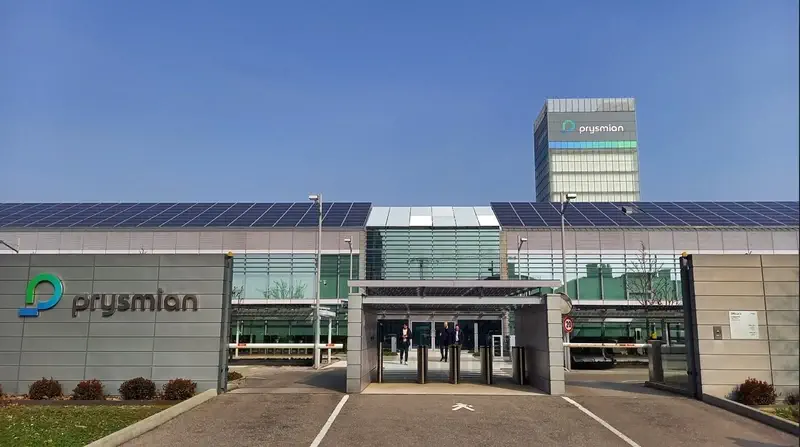
Prysmian Group is the world's largest cable manufacturer, and its North American business serves the U.S. with local manufacturing for compliance with Build America, Buy America (BABA) requirements. The portfolio is notable for two reasons: large-cross-section submarine systems, and integrated high-voltage power + fiber solutions for hyperscale data center campuses (cables up to 380 kV).
The submarine cable segment alone is forecast to grow at roughly 9.8% CAGR through 2031, and Prysmian is one of the few suppliers that can take a project from cable manufacturing through marine installation.
Choose Prysmian (NA) when the project is utility-scale, submarine, or requires combined HV power and fiber under one contract.
4. OFS (Furukawa) — specialty fiber from Bell Labs DNA
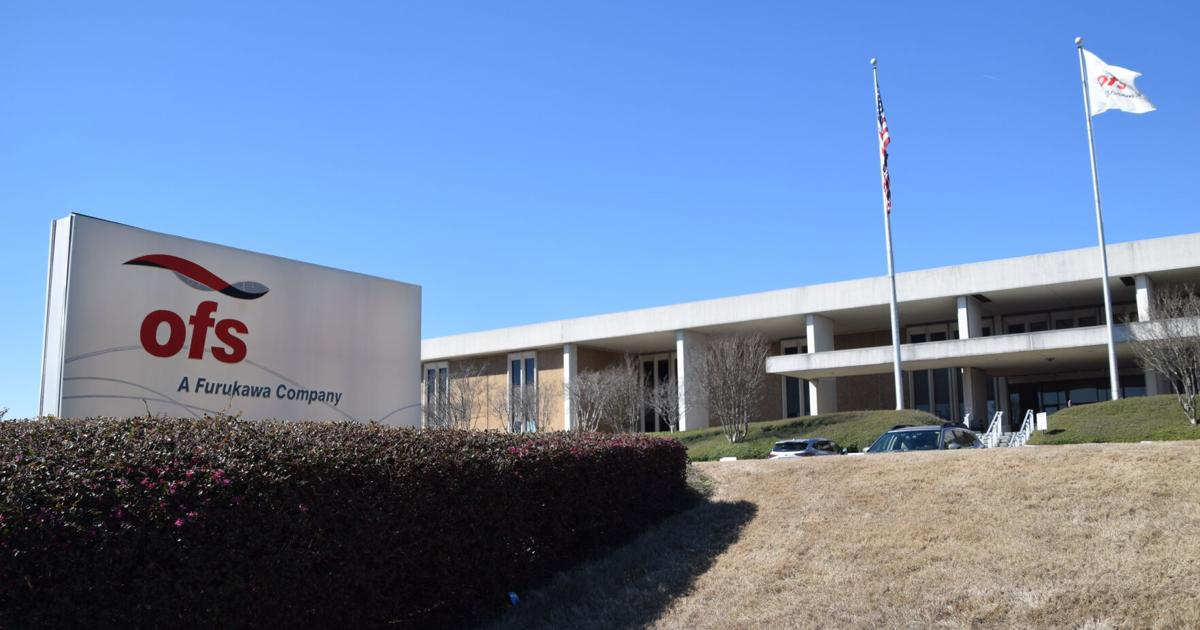
OFS is the U.S. arm of Furukawa Electric, but its engineering culture comes directly from Bell Labs. It does not chase commodity duct cable volumes; instead it builds fibers that survive environments most fibers can't: high-temperature Pyrocoat, polarization-maintaining Gyrosil, high-power HC xtreme, and biocompatible medical fiber.
Common applications include fiber gyroscopes, downhole oil & gas sensing, surgical lasers, and aerospace/defense data links. If a project specifies polyimide or fluoropolymer coatings, PM fiber, or high-power handling, OFS is almost always on the shortlist.
Choose OFS when standard ITU-T G.652/G.657 fiber cannot meet the environmental, power or polarization requirements.
5. AFL Telecommunications — utility-grade products with field services
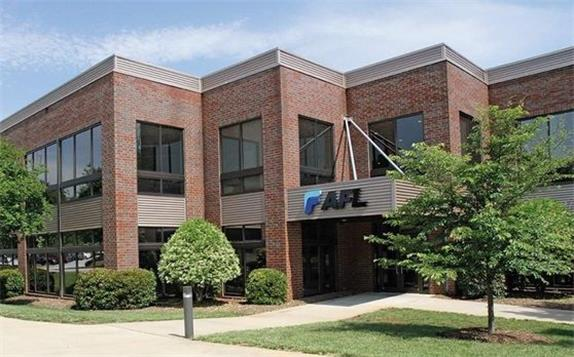
Headquartered in Duncan, South Carolina, AFL combines hardened OSP products (the Apex closure family, Fuse Connect field-installable connectors, pre-terminated assemblies) with one of the largest fiber field-service organizations in the U.S. — splicing, OTDR testing, training and emergency restoration.
That product-plus-service model is particularly valued by electric utilities and rural broadband cooperatives that don't want to build deep in-house fiber teams just to support a grid modernization or middle-mile project.
Choose AFL when the deployment is utility-driven and you need an installation partner as much as a product vendor.
How to choose the right vendor
Long-haul, 400G/800G, AI fabric: start with Corning.
FTTH or enterprise structured cabling: CommScope is the most efficient single source.
Submarine, BABA-compliant utility-scale, HV + fiber: Prysmian (NA).
Aerospace, defense, medical, harsh-environment, PM fiber: OFS (Furukawa).
Utility, grid modernization, rural OSP with field services: AFL.
Need help sourcing fiber optic components for your network? Firsol manufactures and supplies fiber optic connectivity products, passive optical components, cable assemblies, and customized solutions for global B2B applications.
Sources: NTIA BEAD Program Office; Mordor Intelligence U.S. Optical Fiber Market Report; manufacturer datasheets (Corning Vascade EX2000, OFS specialty fiber catalog, AFL Apex / Fuse Connect product pages). Market share figures reflect 2025 published data and may shift as 2026 reports are released.