

High-Performance
Optical Networking
Premium fiber optic components engineered for data centers, 5G infrastructure, and global enterprise backbones. Carrier-grade quality at factory-direct pricing.
Fast Shipping
Quick & reliable delivery
100% Tested
Every product verified
Wide Compatibility
Works with major brands
Expert Support
Certified Engineers
Product Categories
Comprehensive optical networking solutions for enterprise & data center
Optical Transceivers
SFP, SFP+, QSFP+, QSFP28, QSFP-DD modules supporting 1G to 800G rates.
- 100G QSFP28
- 400G QSFP-DD
- 10G SFP+
Fiber Patch Cables
Singlemode OS2 and Multimode OM3/OM4/OM5 cables with custom lengths.
- LC-LC Duplex
- Armored Patch Cables
- Ultra Low Loss
MTP/MPO Assemblies
High-density trunk cables and harness assemblies for data center backbones.
- MTP Trunks (8/12/24)
- MTP-LC Harnesses
- Conversion Cables
Tools & Test Equipment
Fiber cleaners, visual fault locators, power meters and splicing tools.
- Fiber Cleaning Kits
- Optical Power Meters
- Visual Fault Locators
Featured Products
Selected optical components that are frequently used in data center, telecom, and lab deployments.
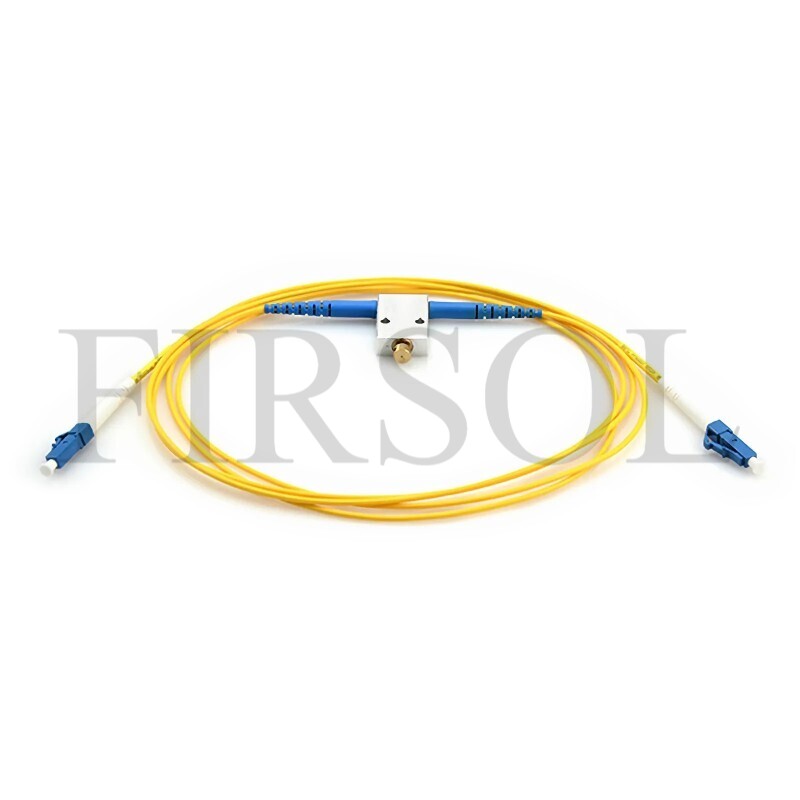
1310nm Polarization Maintaining In-Line Manual Variable Optical Attenuator
1310nm polarization maintaining in-line VOA with 0.5–60 dB attenuation, ≤0.5 dB insertion loss, ≥20 dB extinction ratio, and 500 mW power handling.
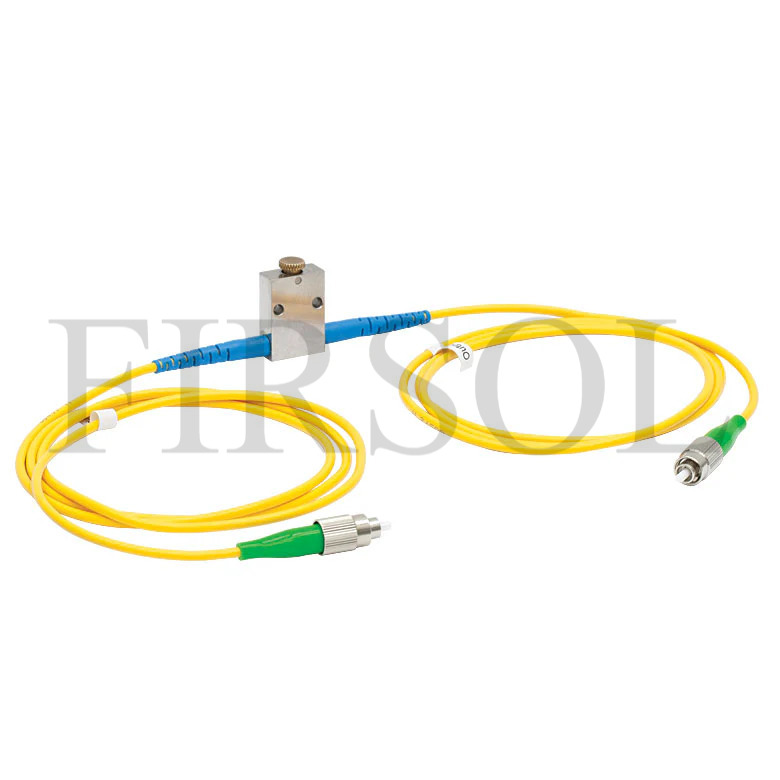
1550nm Single Mode In-Line Manual Variable Optical Attenuator
The 1550nm Single Mode In-Line Manual VOA provides adjustable optical attenuation at 1550nm using a screw-driven mechanism for continuous and repeatable control. It is built with SMF-28e single mode fiber and features a maximum insertion loss of ≤0.5 dB, an attenuation range of 0.5–60 dB, and a minimum return loss of ≥50 dB for stable signal performance. The polarization dependent loss is ≤0.1 dB. The all-fiber in-line design requires no external power, allowing direct integration into fiber optic systems. It supports a maximum continuous optical power of 500 mW and is suitable for laboratory testing, optical measurement, and communication system calibration.
1310nm Single Mode In-Line Manual Variable Optical Attenuator
The 1310nm Single Mode In-Line Manual VOA provides adjustable optical attenuation at 1310nm using a screw-driven mechanism for continuous and repeatable control. It is built with SMF-28e single mode fiber and features a maximum insertion loss of ≤0.5 dB, an attenuation range of 0.5–60 dB, and a minimum return loss of ≥50 dB for stable signal performance. The polarization dependent loss is ≤0.1 dB. The all-fiber in-line design requires no external power, allowing direct integration into fiber optic systems. It supports a maximum continuous optical power of 500 mW and is suitable for laboratory testing, optical measurement, and communication system calibration.
1550nm Polarization Maintaining In-Line Manual Variable Optical Attenuator
1550nm polarization maintaining in-line VOA with 0.5–60 dB attenuation, ≤0.5 dB insertion loss, ≥20 dB extinction ratio, and 500 mW power handling.
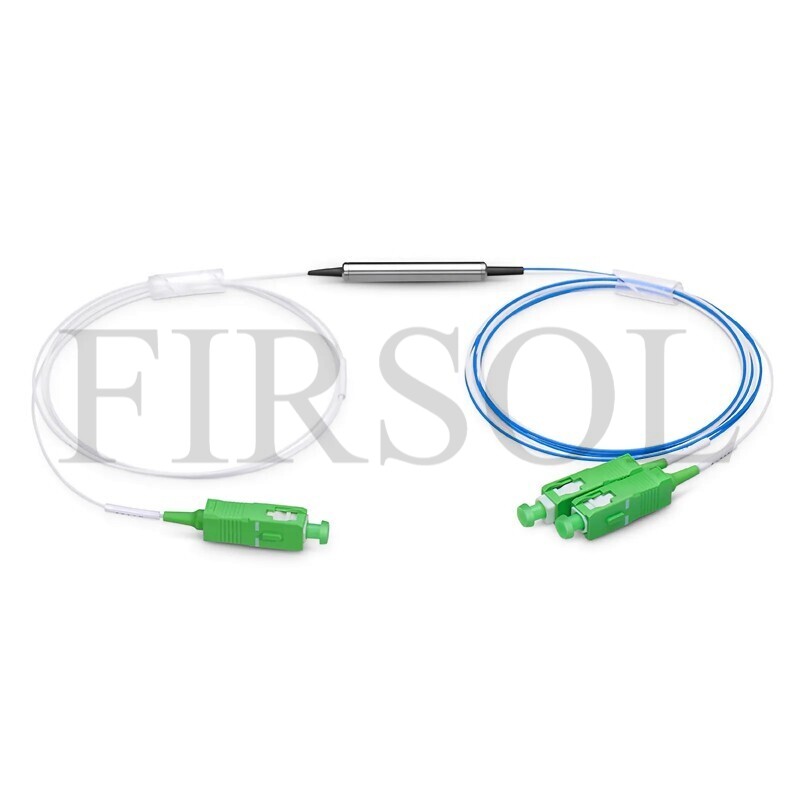
1550nm Polarization Beam Splitter/Combiner
1550nm Polarization Beam Splitter/Combiner (PBS/PBC) with low insertion loss, high extinction ratio, and optional all-PM fiber or Port 3 SMF configuration. Ideal for fiber lasers, coherent communication, EDFA, and polarization control applications.
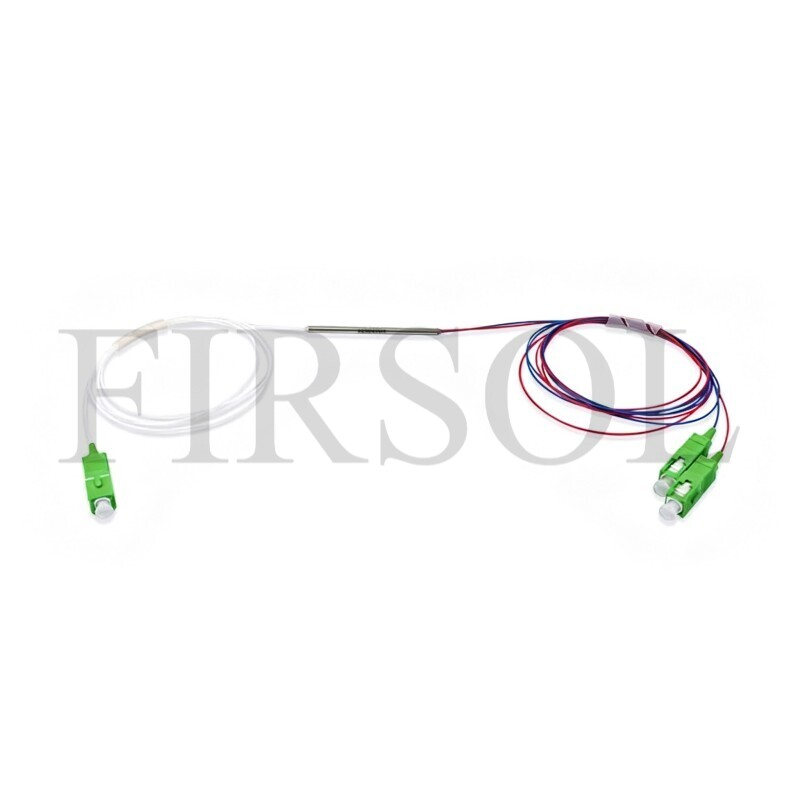
980/1550nm Single Mode Fused WDM
980/1550nm Single Mode Fused WDM designed for EDFA pump coupling. Low insertion loss, high isolation and excellent stability for optical communication and amplifier systems.
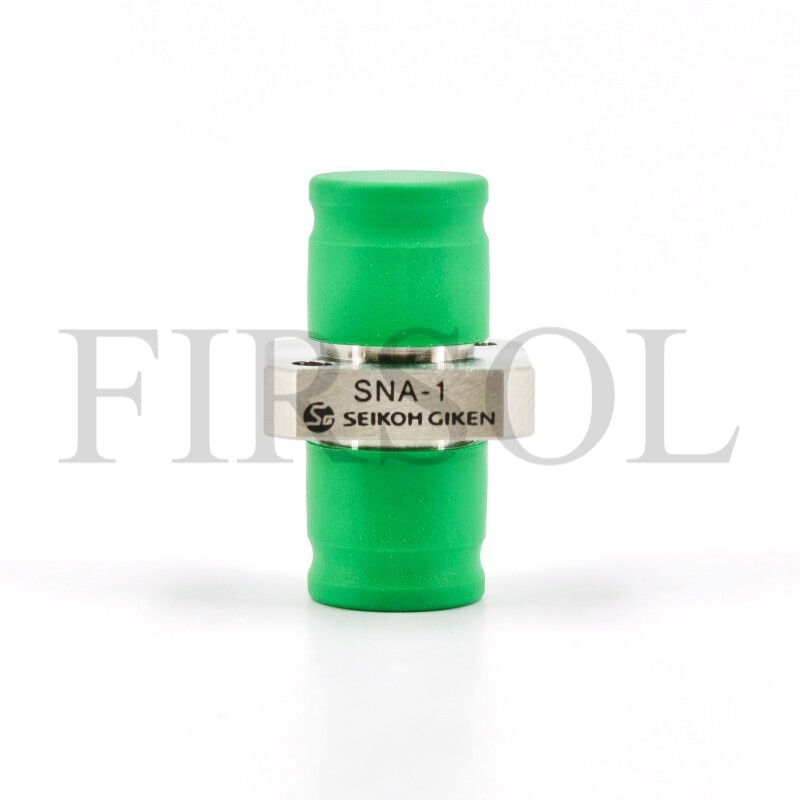
Seikoh Giken SNA-1 FC/APC To FC/APC Fiber Adapter
Buy Seikoh Giken SNA-1 FC/APC to FC/APC fiber adapter with low insertion loss and high return loss. Ideal for telecom, testing, and high-precision fiber connections.
Trusted by Industry Leaders
Compatible with all major networking platforms
 Cisco
Cisco Juniper
 Arista
 Dell
Dell HPE
HPE Huawei
 Nokia
Nokia Extreme Networks
 Fortinet
 SpaceX
 Corning
 Fujikura
 CommScope
 Philips
 Molex
Molex TE ConnectivityCiscoJuniperAristaDellHPEHuaweiNokiaExtreme NetworksFortinetSpaceXCorningFujikuraCommScopePhilipsMolexTE ConnectivityCiscoJuniperAristaDellHPEHuaweiNokiaExtreme NetworksFortinetSpaceXCorningFujikuraCommScopePhilipsMolexTE Connectivity
Blog & News
View All Articles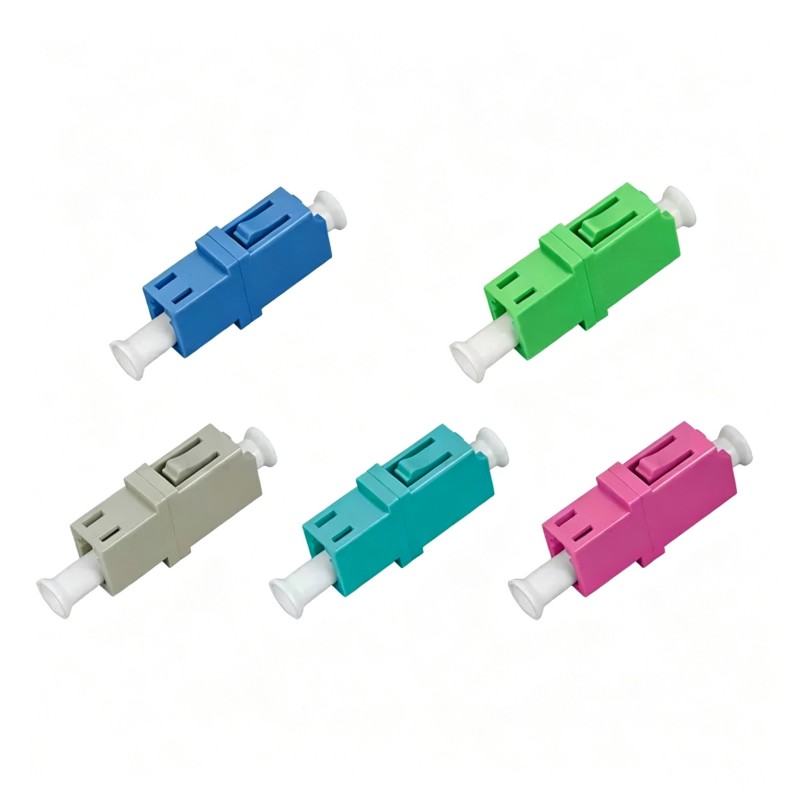
What Is an LC Fiber Adapter? Types, Specs & How to Choose
An LC fiber adapter — also called an LC fiber optic coupler or LC mating sleeve — is a passive component that joins two LC connectors end to end so light can pass from one fiber to another with minimal loss. It performs no signal conversion or amplification; its only job is to hold the two connector
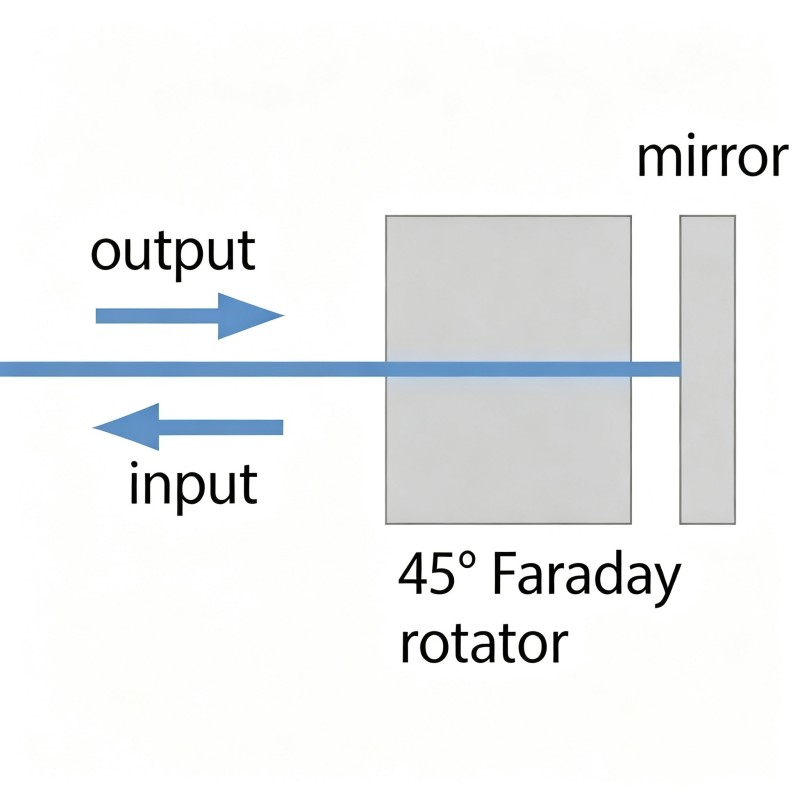
What Is a Faraday Mirror (FRM)? Working Principle, Specs & Applications
A Faraday mirror, more precisely a Faraday rotator mirror (FRM), is a fiber-pigtailed passive component that reflects an optical signal while rotating its polarization state by a total of 90 degrees. This non-reciprocal rotation makes the FRM unique: it automatically compensates for the random biref
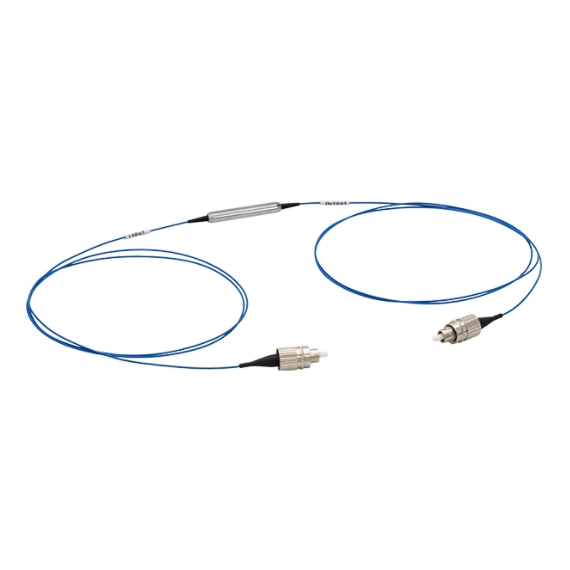
What Is an In-line Polarizer? How It Works, Specs & Applications
An in-line polarizer is a fiber-pigtailed optical component that transmits light polarized along one axis while strongly attenuating the orthogonal polarization. In fiber optic systems it is used to clean up the polarization state of a signal, define a stable linear polarization reference, and suppr
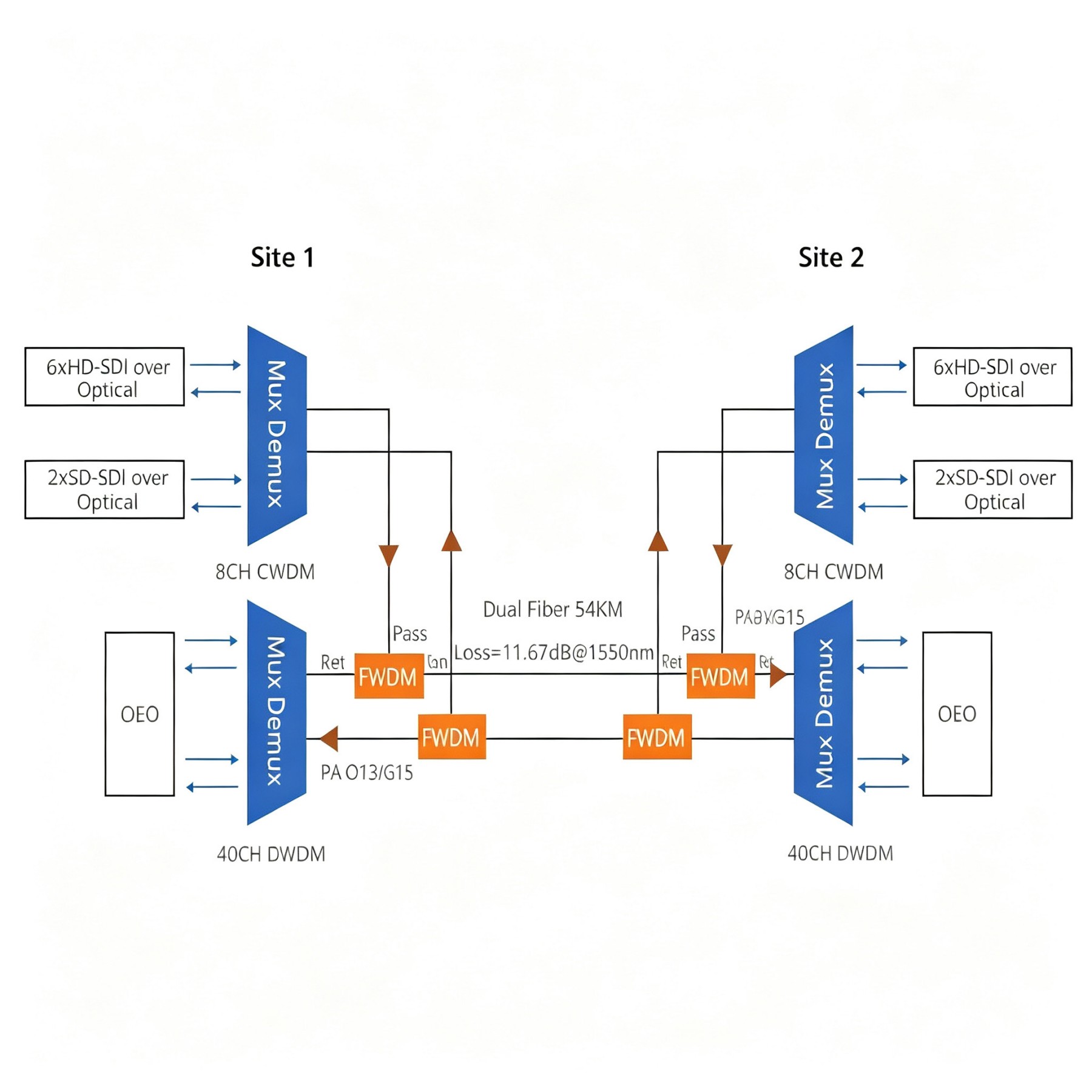
1x2 DWDM Filter Explained: Single Mode vs PM, 50/100/200GHz Guide
In dense wavelength division multiplexing systems, accurate wavelength selection is critical for adding, dropping, separating, or combining optical channels. A 1x2 DWDM filter is a compact three-port optical device designed for this purpose. It is widely used in DWDM transmission systems, optical am
Need a Custom Solution?
Our engineering team can help design custom cable assemblies and coded transceivers for your specific infrastructure needs.