G.652.D vs G.657.A1 vs G.657.A2: What's the Difference?
G.652.D, G.657.A1 and G.657.A2 are the three single mode fiber grades you will meet most often when buying patch cables and drop fiber. They share the same 9/125 µm geometry and are fully interoperable — the real difference is how tightly you can bend them before loss rises. This guide explains each grade and helps you pick the right one.
For the full family of fiber standards behind these grades, see our pillar guide on ITU-T standards for optical fibers.
What Is G.652.D Fiber?
G.652 is the most widely deployed single mode fiber, with four sub-types (A/B/C/D). All share a 9 µm core (8–10 µm mode field). G.652.A and G.652.B zero out dispersion at 1310 nm but retain a water peak that blocks full-spectrum WDM. G.652.C and G.652.D remove the water peak, enabling operation across 1310–1550 nm and CWDM. With its superior PMD, G.652.D is known as Standard Single Mode Fiber (SSMF) and is the default choice for most networks. Its practical minimum bend radius is about 30 mm.
What Is G.657 Fiber?
As fiber densities rise, installers need cable that tolerates tight routing inside cabinets, wall boxes, and risers. G.657 defines bend-insensitive (BI) single mode fiber for exactly this. The two common access grades are:
G.657.A1 — minimum bend radius ~10 mm, fully backward-compatible with G.652.D.
G.657.A2 — minimum bend radius ~7.5 mm, for even tighter installations, still G.652.D-compatible.
Similarity: Fully Compatible
G.652.D, G.657.A1 and G.657.A2 all share the same 9 µm core / 125 µm cladding geometry and matching mode field diameter. That means cables of these three grades splice and connect together seamlessly — you can add G.657 fiber into an existing G.652.D plant with no interoperability penalty.
Difference: Bend Radius & Attenuation
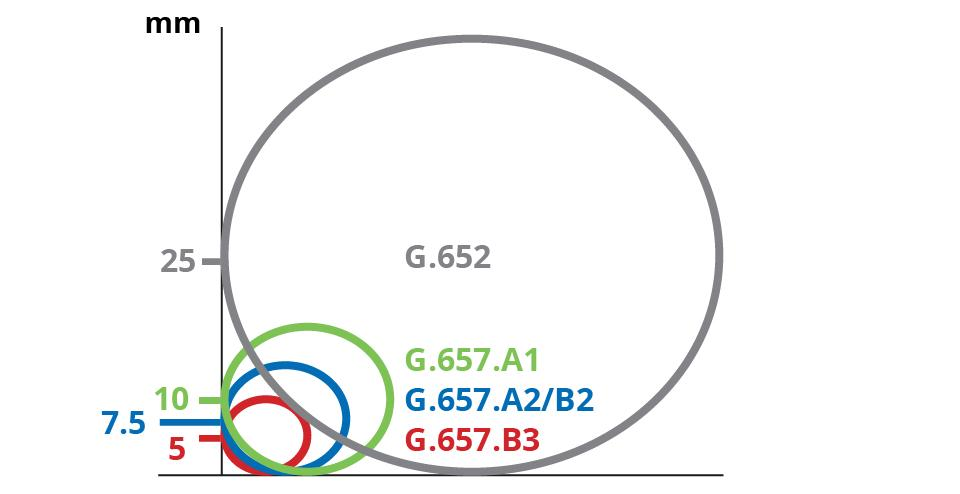
The key distinction is minimum bend radius. G.652.D needs roughly 30 mm; G.657.A1 tolerates about 10 mm; and G.657.A2 goes down to about 7.5 mm. Because bending changes the light path inside the core, the bend-insensitive grades trade a very slight increase in attenuation for that tighter routing capability.
G.652.D vs G.657.A1 vs G.657.A2 Comparison
Grade | Compatible with SSMF | Min. Bend Radius | Attenuation @1310 nm | Best For |
|---|---|---|---|---|
G.652.D | Yes | ~30 mm | ~0.35 dB/km | Long-distance metro/access, CWDM |
G.657.A1 | Yes | ~10 mm | ~0.35 dB/km | Standard tight-space indoor runs |
G.657.A2 | Yes | ~7.5 mm | ~0.36 dB/km | Very tight bends, cabinets, wall boxes |
Applications
G.652.D is ideal for:
LAN and general communication links
CWDM in metro and access networks
Indoor/outdoor backbone fiber runs
G.657.A1 / A2 is ideal for:
Installation in tight spaces where flexibility matters
Cabinets, enclosures, patch panels and racks with limited slack
FTTH drops and in-building risers
Which Should You Choose?
General backbone / longest reach: G.652.D.
Patch cords & indoor cabling with normal bends: G.657.A1 — a safe, universal upgrade that stays G.652.D-compatible.
Very tight routing (cabinets, wall boxes): G.657.A2.
Because all three interoperate, many buyers standardise on G.657.A1/A2 patch cables for the extra bend margin while keeping G.652.D in the outside plant.
Frequently Asked Questions
Can I mix G.652.D and G.657.A fiber?
Yes. They share the same geometry and mode field diameter, so they splice and connect with negligible loss.
Does G.657 fiber have higher loss than G.652.D?
Only marginally. The bend-insensitive design adds a very small attenuation penalty in exchange for tighter allowable bends.
Is G.657.A2 better than G.657.A1?
Not universally — A2 simply tolerates tighter bends (~7.5 mm vs ~10 mm). Choose based on how tight your routing actually is.
Get Bend-Insensitive Fiber from Firsol
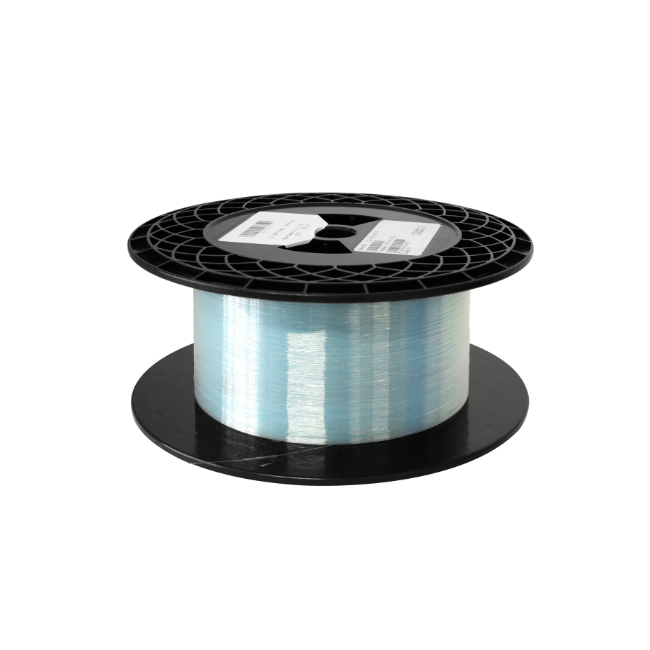
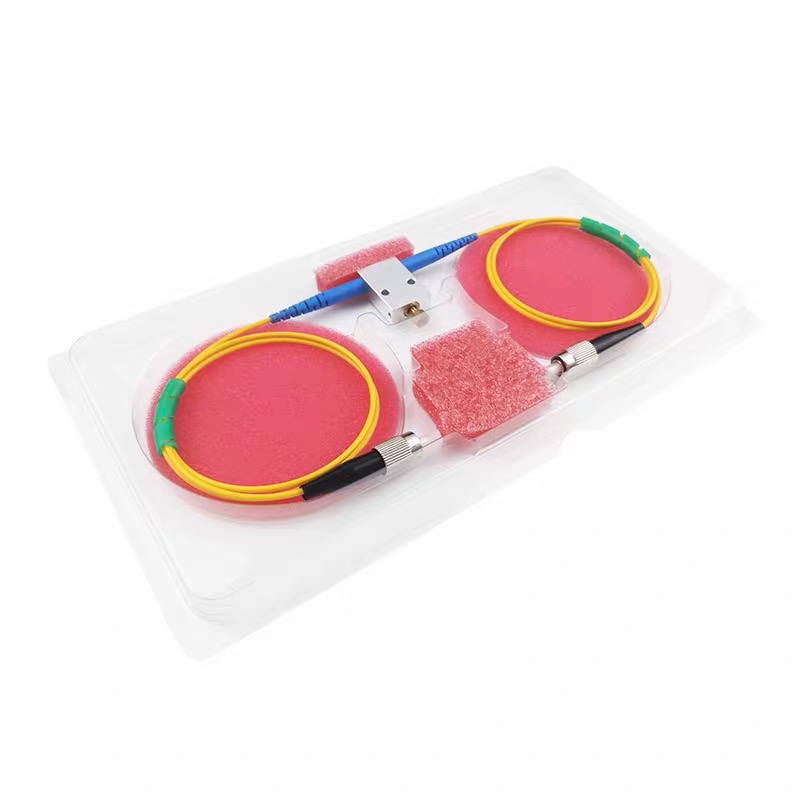
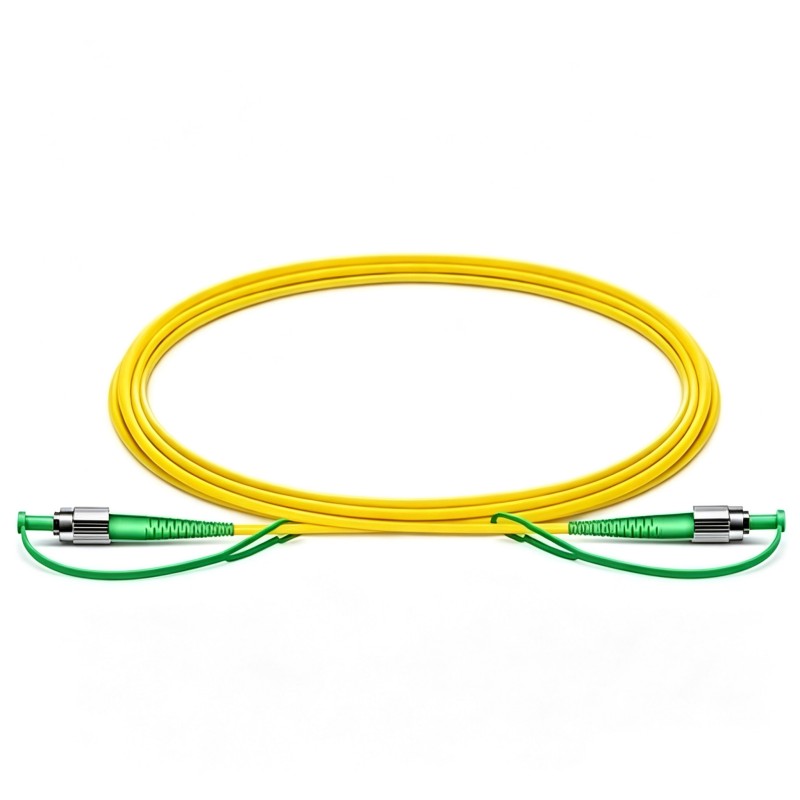
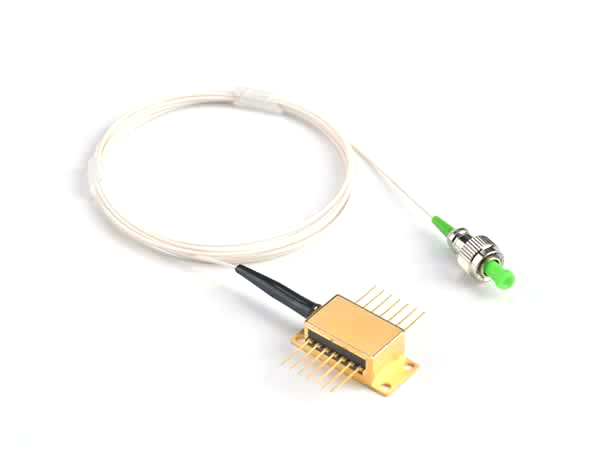
Firsol supplies single mode fiber and patch cables in G.652.D, G.657.A1 and G.657.A2 grades, plus Corning® bare fiber, connectors and adapters. Browse our single mode optical fiber and Corning® optical fiber ranges, or contact us for a datasheet and quote tailored to your project.