OS1 vs OS2 Single Mode Fiber: Key Differences Explained
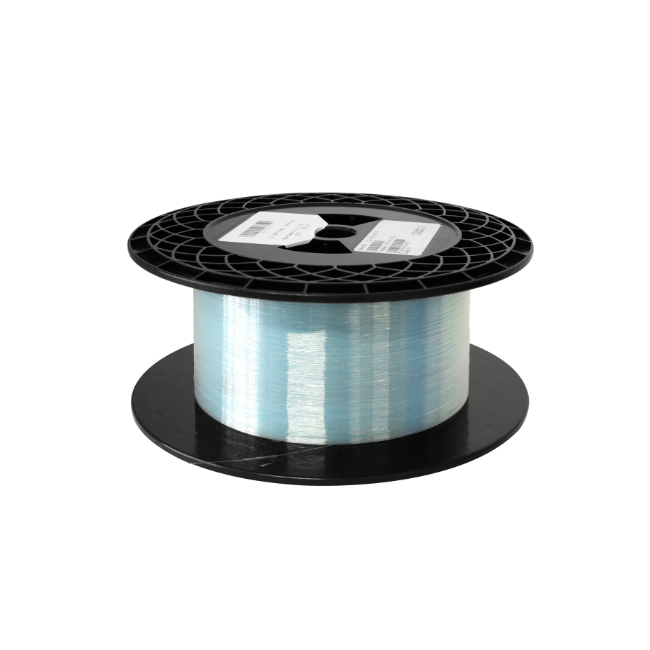
Single mode fiber is the backbone of long-distance and high-bandwidth networks, but not all single mode cable is the same. Two designations you will see on datasheets and in cabling standards are OS1 and OS2. Choosing the wrong one can mean higher attenuation, shorter reach, or a cable that simply is not suited to the environment it is installed in.
This guide explains the practical differences between OS1 and OS2 single mode fiber (SMF) cable — construction, attenuation, standards, and typical distances — so you can specify the right cable for indoor, outdoor, and long-haul links.
OS1 and OS2 at a Glance
OS1 and OS2 are ISO/IEC 11801 designations for single mode optical fiber cable. Both use a 9 µm core and both operate at the 1310 nm and 1550 nm windows, so the fiber itself is similar. The key differences come from cable construction and maximum attenuation, which in turn drive how far and where each cable is used.
OS1 — tight-buffered construction optimised for indoor use, with a higher attenuation ceiling and shorter practical reach.
OS2 — loose-tube (or blown) construction built for outdoor and long-haul use, with lower attenuation and much longer reach.
Standards
OS1 cable is built around fibers compliant with the ITU-T G.652 family, including the conventional G.652A/B grades and the low-water-peak G.652C/D grades. OS2 is defined for the low-water-peak fibers (G.652C/D), which remove the traditional attenuation spike near 1383 nm and open up the full spectrum needed for CWDM. Many OS2 cables also use bend-insensitive fiber to ITU-T G.657.A1 for tighter routing without added loss.
Cable Construction
OS1 typically uses a tight-buffered design: each fiber is enclosed in a protective coating and bundled with aramid strength members inside a flexible jacket. This makes it easy to route and terminate inside buildings, risers, and equipment rooms.
OS2 typically uses a loose-tube design: fibers sit helically inside gel-filled or dry semi-rigid tubes, so the cable can flex and stretch without straining the glass. That construction, combined with rugged outer jackets, is what makes OS2 suitable for direct burial, duct, and aerial outdoor routes.
Attenuation and Distance
Attenuation is where the two grades diverge most. OS1 cable allows a higher maximum attenuation — commonly specified up to 1.0 dB/km at 1310 nm and 1550 nm — while OS2 is held to roughly 0.4 dB/km at the same wavelengths. Lower loss means more of the launched power reaches the far end.
As a result, OS1 is generally rated for reaches around 2–10 km, which is plenty for in-building and campus links. OS2 supports much longer spans; standards reference reaches on the order of tens of kilometres, and real-world OS2 backbone routes commonly run 40–80 km (and further with amplification or specialised optics). Both grades support 1G and 10G Ethernet, and OS2 is the practical choice for 40G/100G single mode links.
Typical Specifications
Parameter | OS1 | OS2 |
|---|---|---|
Fiber standard | ITU-T G.652A/B/C/D | ITU-T G.652C/D (+ G.657.A1 for bend-insensitive) |
Construction | Tight-buffered | Loose-tube / blown |
Primary environment | Indoor | Outdoor / long-haul |
Max. attenuation (1310/1550 nm) | ≤ 1.0 dB/km | ≤ 0.4 dB/km |
Typical reach | ~2–10 km | Tens of km (40–80 km+ common) |
Data rates | 1G / 10G | 1G / 10G / 40G / 100G |
Relative cost | Lower | Higher |
Values are typical ranges for planning. Always confirm against the specific cable and optics datasheet.
OS1 vs OS2: How to Choose
The decision usually comes down to two questions: where is the cable installed, and how far does the link need to run.
Choose OS1 for indoor infrastructure — in-building risers, campus interconnects, and cabling inside telecom exchanges and data centers where distances are short and easy termination matters.
Choose OS2 for outdoor plant, backhaul, and any long-haul route — loose-tube ruggedness plus low attenuation give you the reach and reliability that OS1 cannot.
Because OS2 covers longer distances at higher data rates and only carries a modest cost premium, many operators now default to OS2 for new backbone and future-proofed builds, reserving OS1 for cost-sensitive indoor runs.
Why OS2 Dominates Modern Networks
OS1 was once the only single mode option and worked well for campus links up to about 10 km. As demand for longer reach and 40G/100G connectivity grew, the low-water-peak, low-attenuation OS2 fiber became the standard for high-speed data networks. If your roadmap includes higher data rates or longer spans, specifying OS2 protects that investment.
Firsol Passive Fiber Components
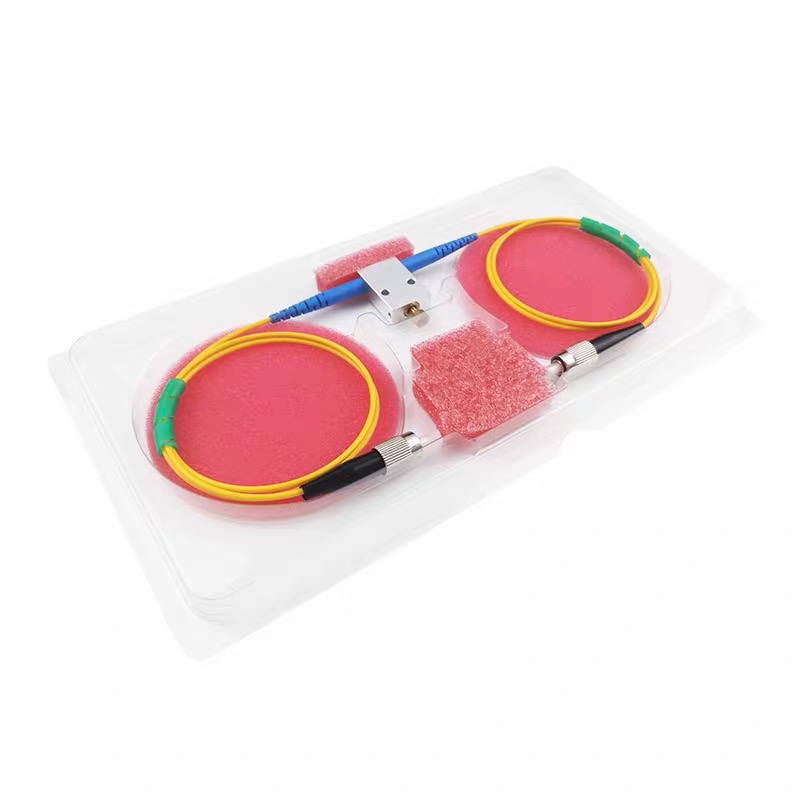
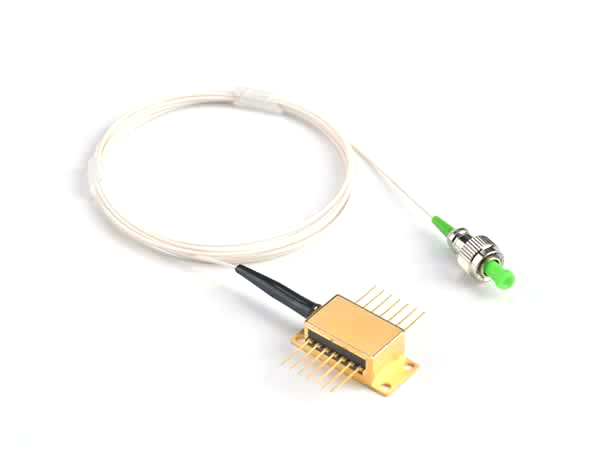
Firsol designs and manufactures the passive optical components that go alongside single mode fiber links — and because these devices are wavelength-based, they work with both OS1 and OS2 infrastructure. Our single mode lineup includes:
1550nm Single Mode Fiber Collimators for free-space coupling
1550nm Single Mode Variable Optical Attenuators for power balancing
1550nm Single Mode Optical Isolators to block back reflection
1550nm 3-Port Single Mode Optical Circulators for bidirectional links
Need help matching components to your OS1 or OS2 deployment? Contact our team for datasheets, part numbers, and a quote.
Frequently Asked Questions
Can I mix OS1 and OS2 cable in the same link?
It is not recommended. The two grades have different attenuation and construction, and mixing them can degrade signal performance and complicate the loss budget. Keep a link on a single fiber grade end to end.
Is OS2 faster than OS1?
The fiber core is similar, so short links behave alike. The advantage of OS2 is lower attenuation and longer reach, which is what enables reliable 40G/100G over long distances — OS1 simply cannot cover those spans.
Do OS1 and OS2 use the same connectors?
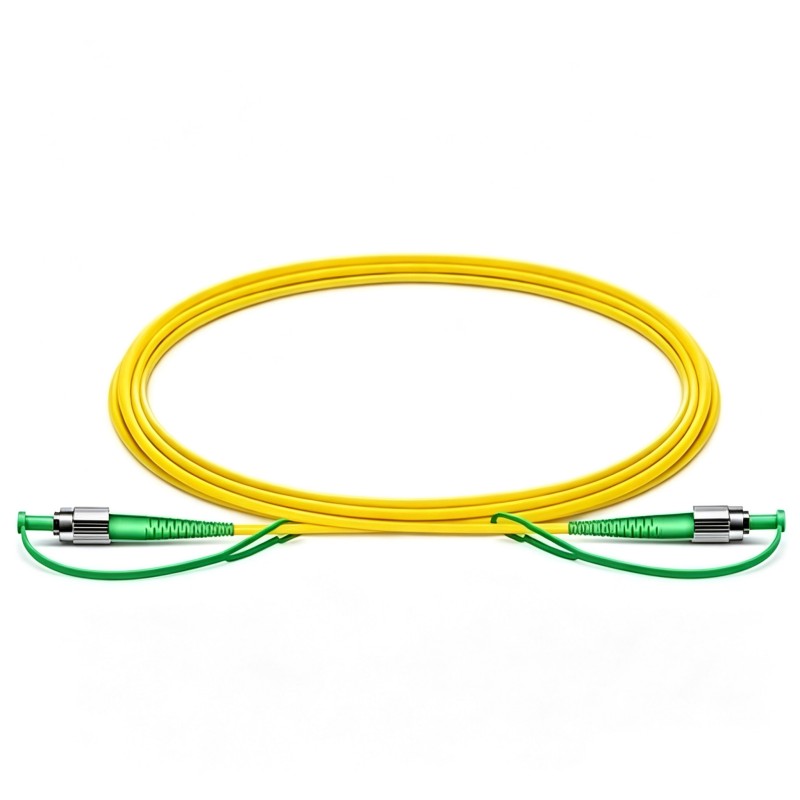
Yes. Both use standard single mode connectors such as LC, SC, FC, and ST, in UPC or APC polish. The difference is in the cable and fiber grade, not the connector interface.
Which one should I buy for a new outdoor run?
OS2. Its loose-tube construction handles outdoor conditions and its low attenuation gives the reach and headroom modern networks need.
Summary
OS1 and OS2 both carry single mode signals, but they are built for different jobs. OS1 is a tight-buffered, indoor cable with higher attenuation and shorter reach; OS2 is a loose-tube, outdoor-rated cable with lower attenuation and long-haul distance capability. Match the grade to the environment and the link length, and OS2 for anything long, outdoor, or high-speed. For the passive components that complete your single mode network, talk to Firsol.