Fiber Optic Pigtails: The Complete FAQ Guide for Network Installers and Buyers
If you have ever opened a fiber termination box and wondered why some cables are factory-polished on only one end, you have already met the fiber optic pigtail. This small but critical component bridges raw cable and polished connectivity — and choosing the wrong one can mean anything from a failed splice to a link that underperforms for years. In this guide, we answer the most common questions about fiber optic pigtails, from basic definitions to jacket ratings and splicing best practices, so you can specify, order, and install them with confidence.
1. What Is a Fiber Optic Pigtail — and How Is It Different from a Patch Cable?
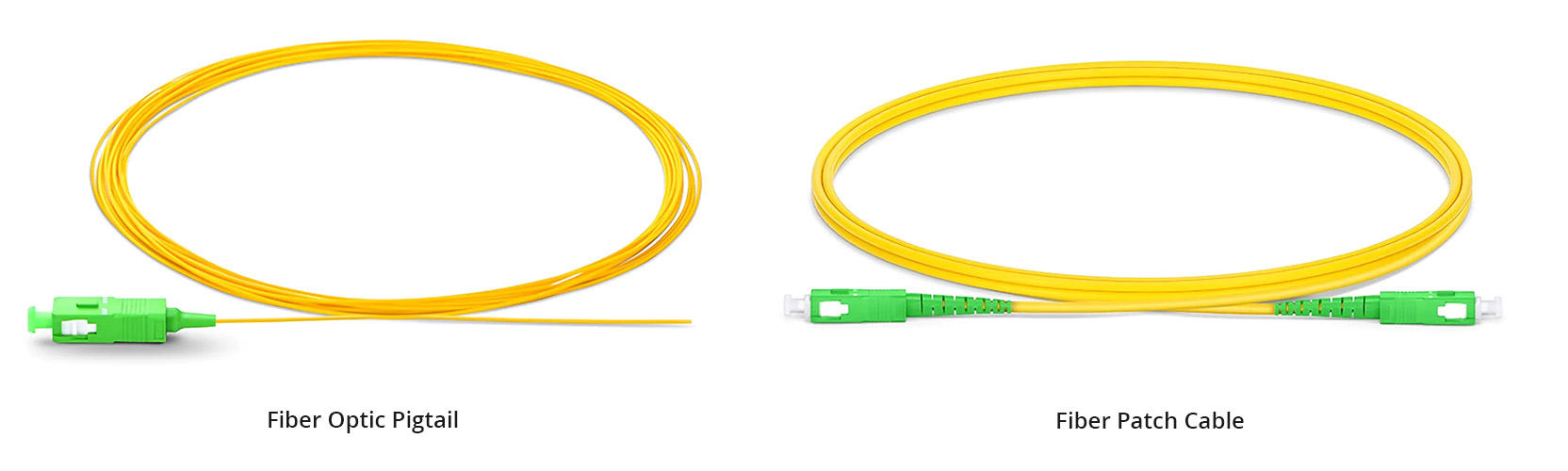
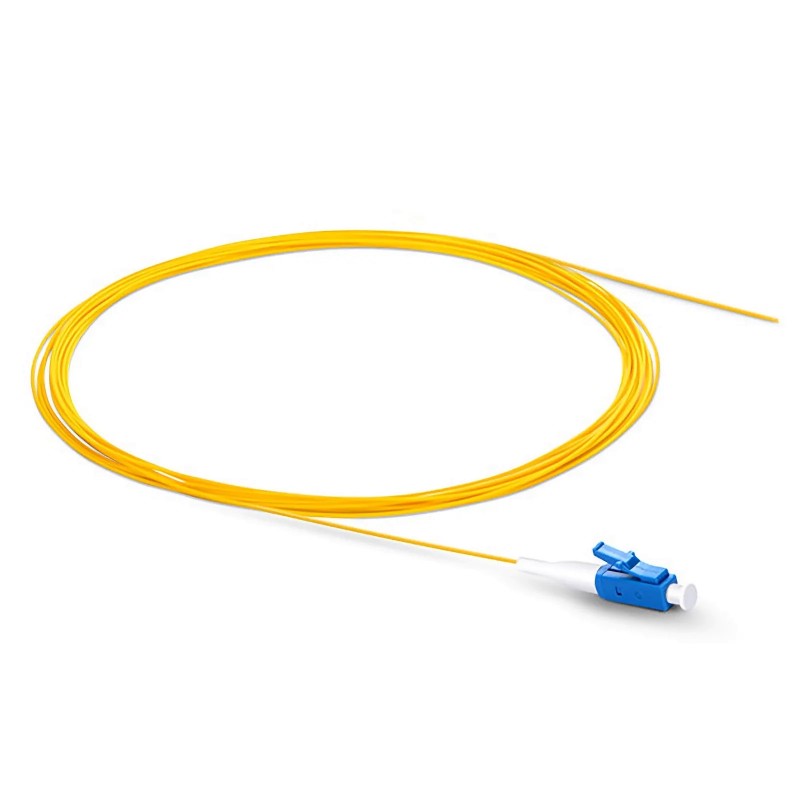
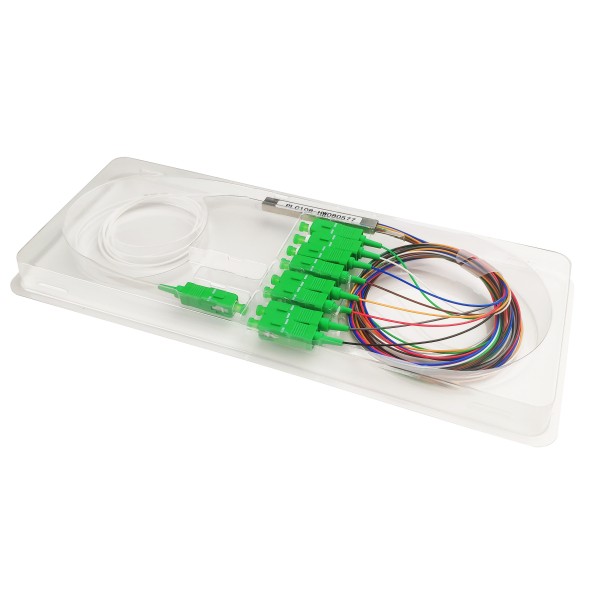
A fiber optic pigtail has a connector on one end and an unterminated fiber on the other. The bare end is fusion- or mechanically spliced to the fibers inside an optical cable, while the pre-connectorized end plugs directly into your transceiver, adapter, or ODF port. Because the connector is factory-polished and tested, a pigtail delivers the performance of a pre-terminated assembly at the cost of a field splice.
The difference from a patch cable is simple but fundamental:
Feature | Fiber Optic Pigtail | |
Termination | Connector on one end; bare fiber on the other | Connectors on both ends |
Connection method | Requires field splicing to the cable fiber | Plug-and-play between two ports |
Typical use | Fiber termination boxes, splice closures, ODFs | Equipment interconnection, cross-connects |
Installation skill | Splicing tools and expertise required | No splicing required |
In short: pigtails terminate cables; patch cables connect devices. Most permanent optical distribution frames are built from pigtails, while patch cables handle day-to-day reconfiguration.
2. What Are the Main Types of Fiber Optic Pigtails?
Pigtails are classified by fiber count, cable construction, and environment. Here are the configurations you will encounter most often:
Simplex pigtail: A single fiber for single-fiber connections — the workhorse of FTTH drop terminations.
Unjacketed (900 µm) pigtail: Individual 0.9 mm color-coded fibers with no common outer jacket. Easier to identify, route, and splice inside splice trays and enclosures.
Bunch (multi-fiber) pigtail: Multiple fibers under one common outer jacket, simplifying management and splicing of multi-fiber cables.
Indoor / outdoor pigtails: Built to environmental ratings suited to their installation location, with jackets and strength members matched to the conditions.
Armored pigtails: Reinforced with a metal armor layer for installations exposed to crushing, abrasion, or repeated impact.
Industrial armored pigtails: A heavy-duty variant engineered for factory floors, machine rooms, and harsh environments where standard protection is not enough.
3. Can Single-Mode and Multimode Pigtails Be Mixed in One Link?
No — not in a conventional optical link. Single-mode fiber (9/125 µm core) and multimode fiber (50/125 or 62.5/125 µm core) have fundamentally different core geometries and modal behavior. Joining them creates severe coupling loss: light launched from a 9 µm single-mode core into a 50 µm multimode core excites hundreds of unwanted modes, while the reverse direction loses most of the light entirely. The result is unpredictable attenuation and unstable return loss.
Keep fiber type consistent end to end. Mode-conditioning patch cords exist, but they are a special workaround for legacy gigabit transceivers — not a reason to mix pigtail types.
4. 0.9 mm vs. 2.0 mm vs. 3.0 mm Pigtails: What Do the Diameters Really Mean?
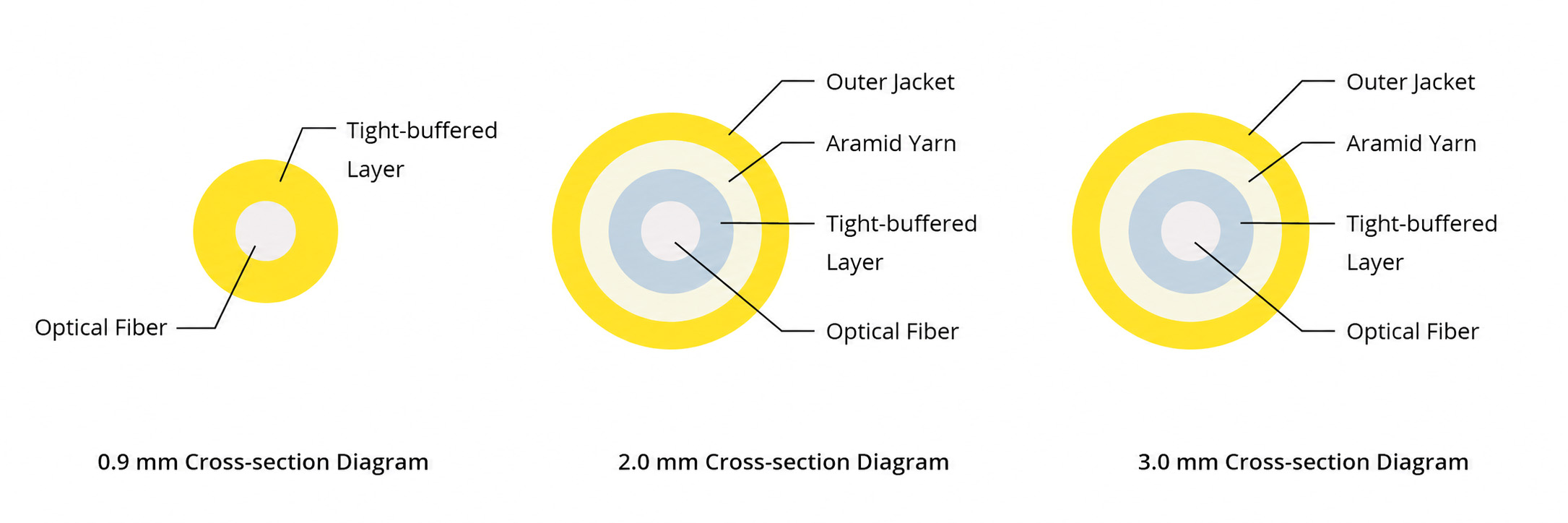
These numbers describe the cable construction, not the fiber itself. All three typically contain the same 250 µm optical fiber — what changes is the level of buffering and protection, which drives routing space, tensile strength, and durability.
Diameter | Construction | Best Suited For | Watch Out For |
0.9 mm | Tight-buffered fiber only; smallest and most flexible | High-density splicing in ODFs, splice trays, and space-constrained enclosures | Least mechanical protection; handle with care |
2.0 mm | Tight buffer + aramid yarn + outer jacket | Patch-panel pigtails needing better tensile strength and handling durability | Moderate routing space |
3.0 mm | Thicker jacket and larger overall profile | Applications where robustness matters more than bend radius | Least flexible; requires more space in trays |
5. Can Fiber Pigtails Be Used Outdoors or in Conduits?
Yes — but only with the right construction. Standard indoor pigtails are not designed for moisture, temperature cycling, or UV exposure. For outdoor or in-conduit use, select outdoor-rated or armored pigtails with jackets and strength members rated for the specific environment. When routed inside closures or termination boxes that already provide environmental sealing, a standard indoor pigtail is acceptable as the final connectorized leg.
6. When Should You Choose Armored Pigtails?
Choose armored pigtails wherever the cable run faces mechanical risk: under raised floors, along industrial pathways, across areas with vehicle or forklift traffic, or anywhere crushing, abrasion, or impact is plausible. The armor layer — typically corrugated steel or interlocking aluminum — provides crush resistance and rodent protection that a standard PVC or LSZH jacket cannot. Use industrial armored variants for the harshest factory and plant environments.
7. How to Install and Splice a Fiber Pigtail: Step by Step
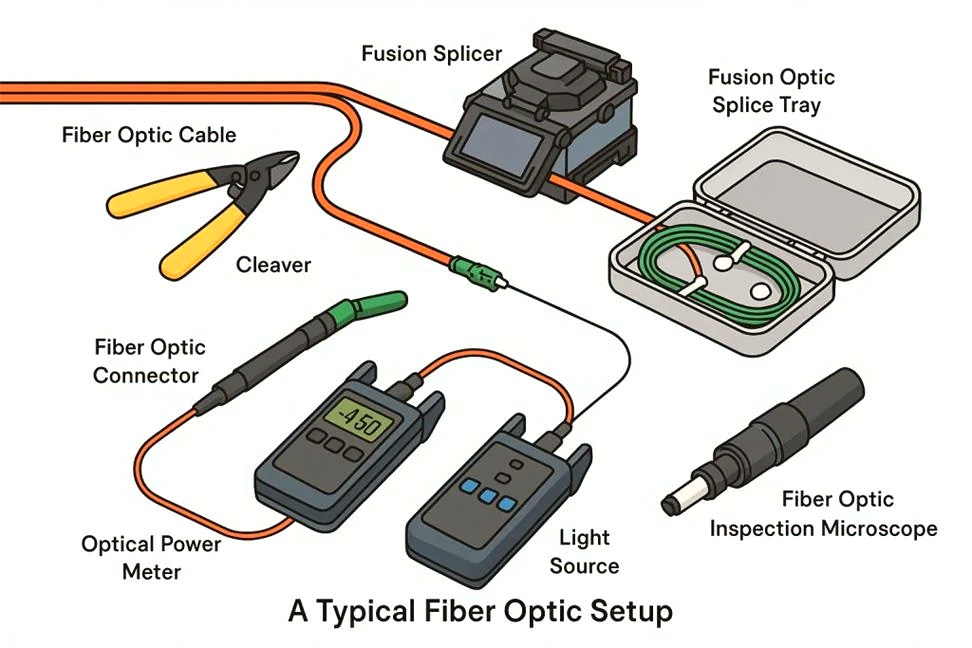
Prepare the fibers. Strip the coating from both the pigtail and the cable fiber, clean the bare glass with lint-free wipes and pure isopropyl alcohol, then cleave both ends with a precision cleaver. A clean, perpendicular cleave is the single biggest factor in splice quality.
Splice. For fusion splicing, align the fibers in the splicer and let the electric arc fuse the glass. For mechanical splicing, align the fiber ends in the alignment element and secure them per the manufacturer's instructions.
Protect the splice. For fusion splices, slide the heat-shrink protection sleeve over the joint and shrink it in the oven, then organize the protected splice in the splice tray with the minimum bend radius respected.
Connect. Inspect the connector end face with a fiber microscope — never assume it is clean. Clean if needed, then mate it into the adapter. Avoid excessive bending radius and tension on the pigtail.
Test. Measure insertion loss with a light source and power meter (or OTDR) and verify it against your application requirements — typically ≤ 0.3 dB per splice for single-mode fusion splices.
8. Can a Fiber Pigtail Be Reused After Fusion Splicing?
Yes — a fusion-spliced pigtail can remain in service indefinitely as long as the fiber, splice, and connector stay in good condition. Connectors can be mated and unmated repeatedly, provided the end face is inspected and cleaned each time.
One important caveat: a fusion splice is permanent. Unlike a plug-in connection, it cannot simply be undone. To re-splice a pigtail, the old splice must be cut out, and enough undamaged fiber must remain for re-termination. If the remaining length is too short, replacing the pigtail is the safer and often more economical choice.
9. Pre-Order Checklist: What to Confirm Before Ordering Pigtails
Parameter | Options to Decide | Why It Matters |
Fiber type | Single-mode OS2 / Multimode OM1–OM5 | Mixing types causes severe loss |
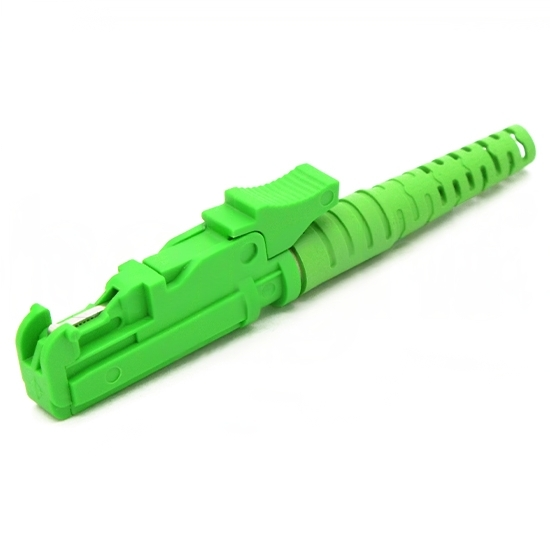
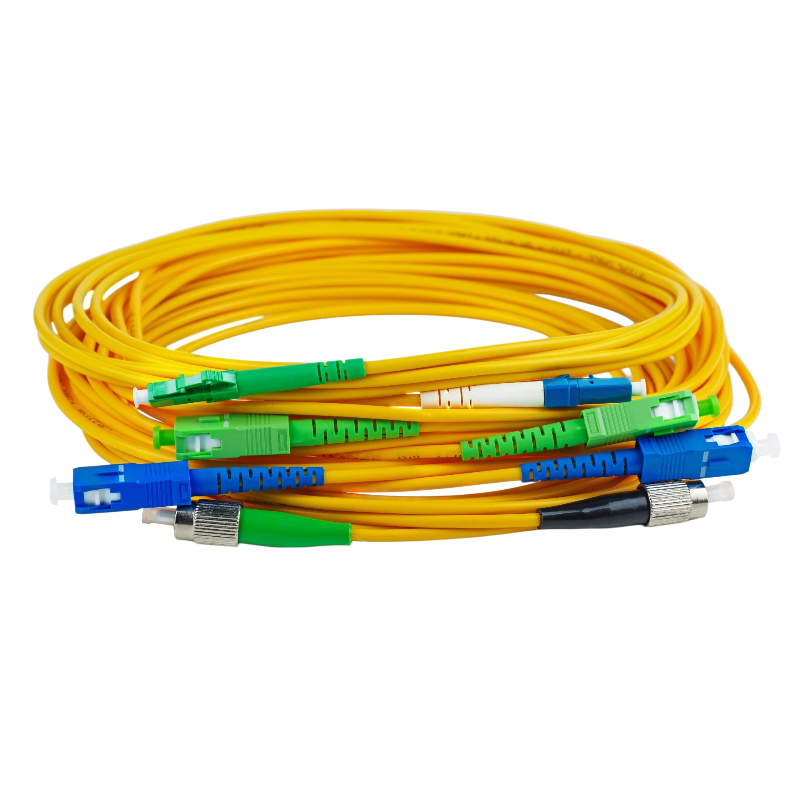
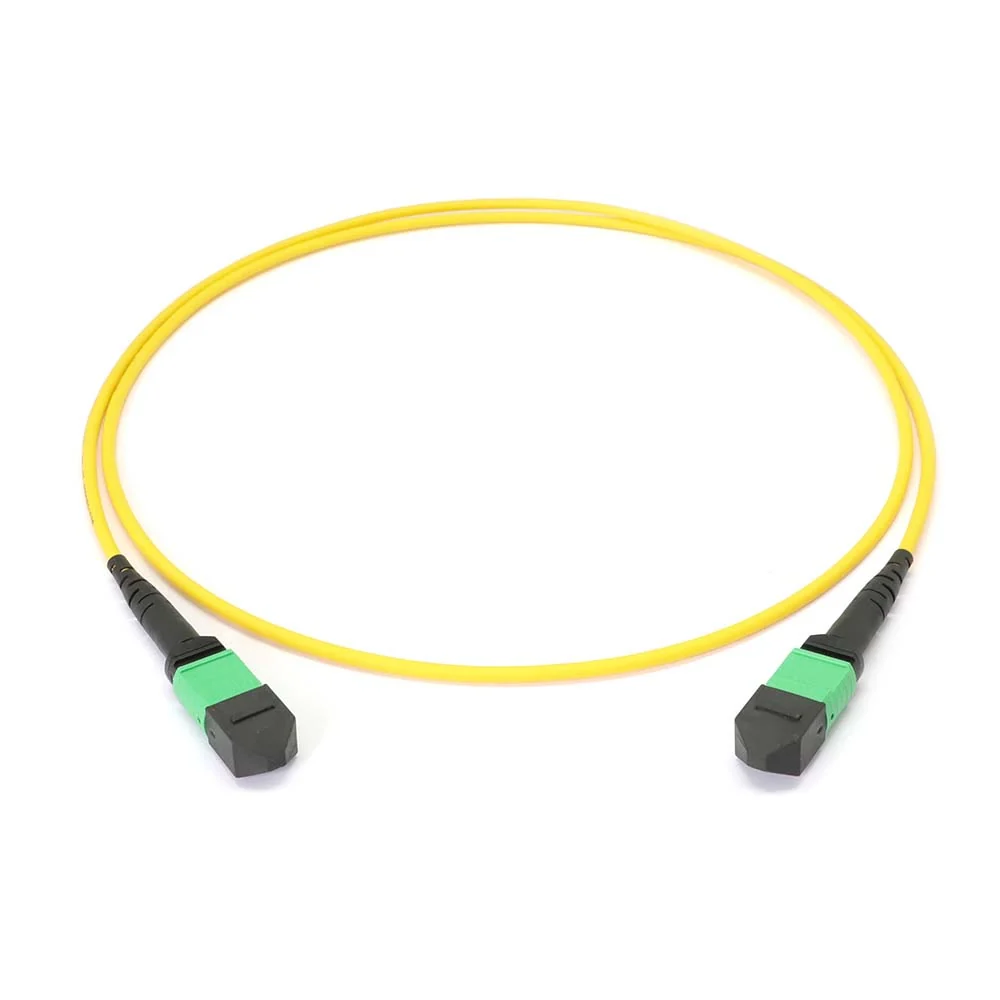
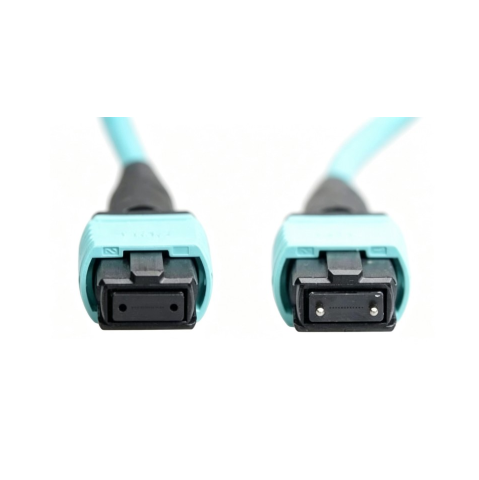
Connector & polish | LC, SC, FC, ST, LSH, MTP® / UPC or APC | Polish color: blue = UPC, green = APC; they must not be mixed |
Fiber count & length | Simplex to multi-fiber bunches; length in meters | Match your splice plan and tray capacity |
Jacket & protection | PVC, LSZH, Plenum (OFNP), Riser (OFNR); standard or armored | Code compliance and mechanical survival |
Optical performance | Insertion loss & return loss limits | Defines link budget margin |
Quantity & customization | Volume, hybrid connector combinations, special lengths | Avoids rework on mixed installations |
Get the Details Right the First Time
Fiber pigtails are among the smallest line items in a network build, yet they sit at every point where a raw cable becomes a reliable optical connection. Specifying the right fiber type, connector, diameter, and jacket rating up front — and following disciplined splicing and cleaning practices on site — eliminates the most common causes of field failures. Use this guide as your checklist, and your termination points will perform for the life of the network.